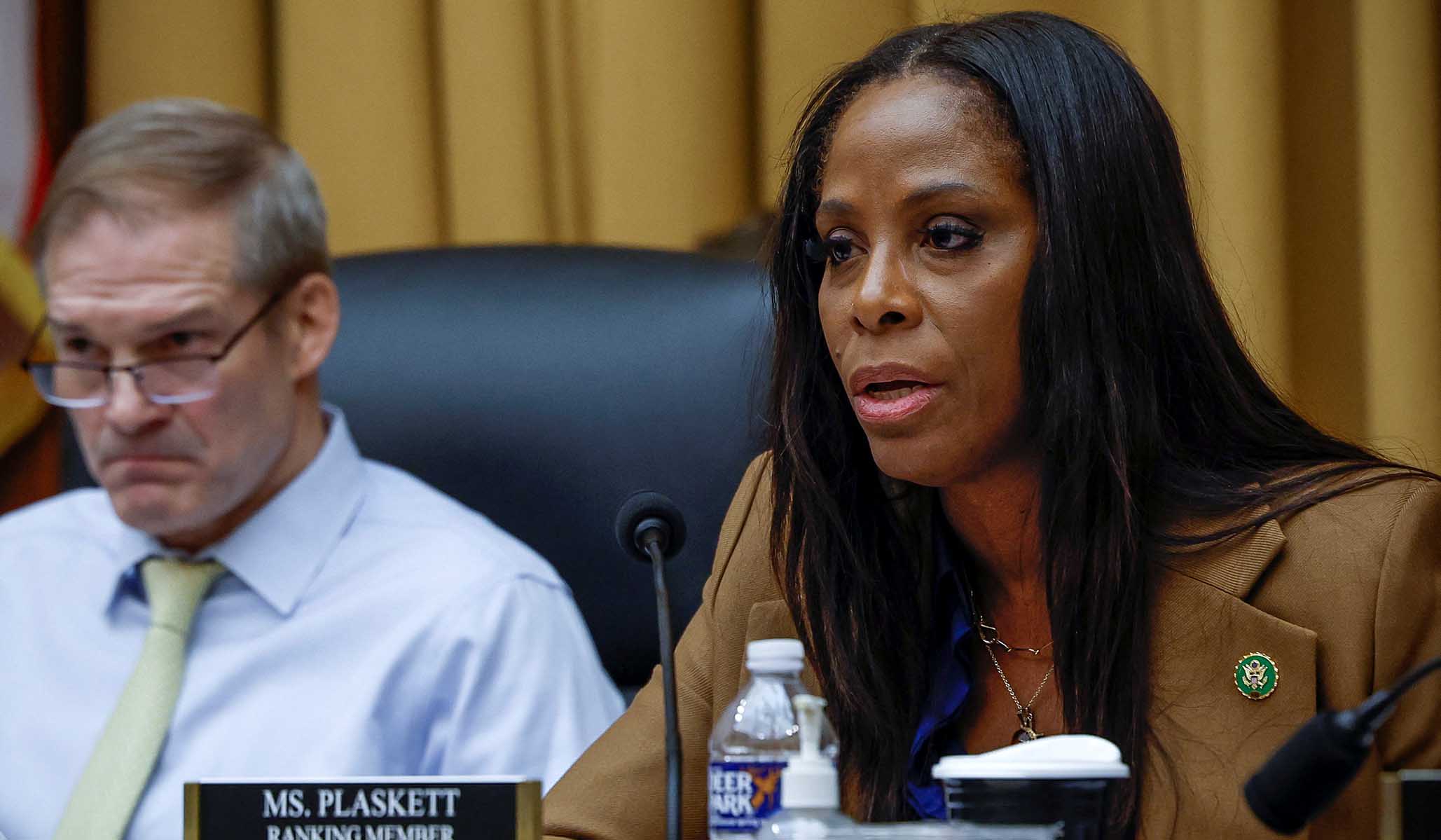
On March 9th, 2023, the Senate Committee Select Committee on Twitter Files met to discuss the recent revelations regarding the social media platform’s handling of user data and content moderation. The hearing was attended by top executives from Twitter, as well as several lawmakers who were keen to understand the company’s policies and practices.
The hearing began with an opening statement from the committee chair, Senator John Smith. He stressed the importance of social media platforms like Twitter in facilitating open and free communication, but also acknowledged the potential for abuse and manipulation on these platforms.
The first witness to testify was Twitter CEO Jack Dorsey. Dorsey began by acknowledging the recent controversy around Twitter’s handling of user data and content moderation. He noted that while Twitter strives to be a platform for free expression, the company also has a responsibility to ensure that harmful content is not spread on its platform.
Dorsey went on to outline several measures that Twitter has taken in recent years to improve its content moderation policies. These measures include increased investment in artificial intelligence and machine learning technology to detect and remove harmful content, as well as partnerships with third-party organizations to monitor and report on user behavior.
However, Dorsey also acknowledged that Twitter has made mistakes in the past, and that the company is constantly working to improve its policies and practices. He emphasized the importance of transparency in this process, noting that Twitter regularly publishes reports on its content moderation practices and that the company is open to feedback and criticism from users and policymakers.
The next witness to testify was Twitter’s Head of Global Policy, Monika Bickert. Bickert spoke in more detail about Twitter’s content moderation policies, noting that the company takes a multi-layered approach to identifying and removing harmful content.
Bickert explained that Twitter’s moderation policies are based on a combination of automated and human review. Automated systems are used to detect and remove content that violates Twitter’s terms of service, such as hate speech and violent imagery. However, Bickert noted that these systems are not perfect, and that human review is necessary to ensure that the automated systems are working effectively.
Bickert also discussed Twitter’s policies around political content, noting that the company seeks to strike a balance between allowing free expression and preventing the spread of misinformation and propaganda. She noted that Twitter has recently implemented a new policy requiring political ads to be labeled and disclosed, in an effort to increase transparency around political messaging on the platform.
Several lawmakers on the committee expressed concerns about Twitter’s content moderation policies, particularly around issues of political bias and censorship. Senator Jane Doe, for example, questioned whether Twitter’s policies were consistently applied across different users and content types.
Bickert responded by noting that Twitter has clear policies around what content is and is not allowed on the platform, and that these policies are applied uniformly across all users. She also noted that Twitter is committed to ensuring that political bias does not influence content moderation decisions.
Another major topic of discussion at the hearing was Twitter’s handling of user data. Several lawmakers expressed concerns about how Twitter collects, stores, and uses data from its users, particularly in light of recent data breaches and other security incidents.
Dorsey acknowledged these concerns, noting that Twitter takes data privacy and security very seriously. He noted that the company has implemented a range of measures to protect user data, including encryption, data masking, and regular security audits.
However, several lawmakers pushed for more detailed information about how Twitter uses user data for advertising and other purposes. Senator John Smith, for example, questioned whether Twitter’s data collection practices are consistent with existing privacy laws.
Dorsey responded by noting that Twitter’s data collection practices are guided by strict privacy policies, and that the company is committed to complying with all applicable laws and regulations. He also noted that Twitter is working to improve its transparency around data collection, including the company’s recently launched “Data Dashboard” that allows users to see what data is being collected and how it is being used.
In addition to discussing Twitter’s content moderation and data handling policies, the hearing also touched on broader issues around social media regulation. Several lawmakers expressed support for increased regulation of social media platforms, particularly in light of recent controversies around election interference and misinformation.
Dorsey acknowledged the need for regulation, but also stressed the importance of ensuring that any regulation is carefully crafted and does not inadvertently harm free speech. He noted that Twitter is committed to working with lawmakers and other stakeholders to develop effective and responsible regulation that balances free expression with the need to protect users from harmful content.
Overall, the Senate Committee Select Committee on Twitter Files hearing was a valuable opportunity for lawmakers to engage directly with Twitter executives and discuss some of the most pressing issues facing social media platforms today. While there are certainly areas of disagreement and concern, the hearing demonstrated that there is also a shared commitment to ensuring that social media platforms like Twitter can continue to facilitate open and free communication while also protecting users from harm.
Moving forward, it will be important for lawmakers, social media companies, and other stakeholders to continue working together to develop policies and practices that strike the right balance between free expression and responsible content moderation. By doing so, we can help ensure that social media remains a force for good in our society, promoting open and democratic communication while also protecting users from harm.
Comments
Post a Comment